
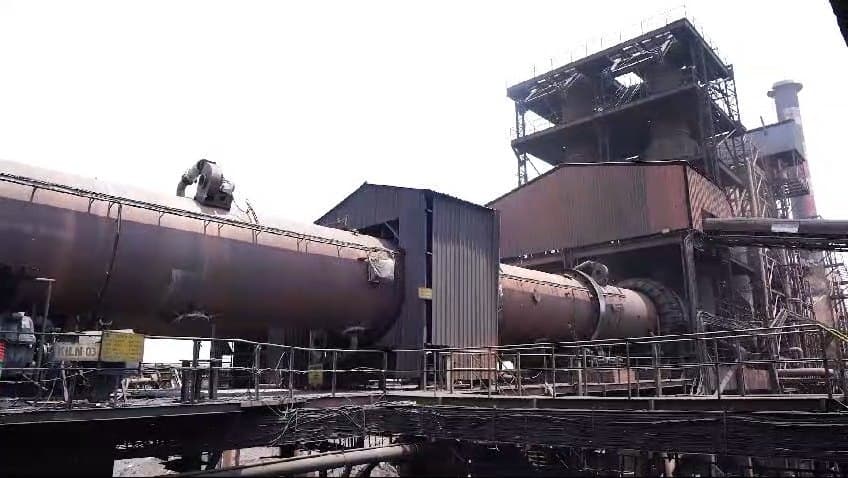
Ask most buyers where their TMT bar came from and the answer is the rolling mill. But a rolling mill only shapes steel; it does not make it. The question that decides quality is what went into the furnace.
Two routes to a bar
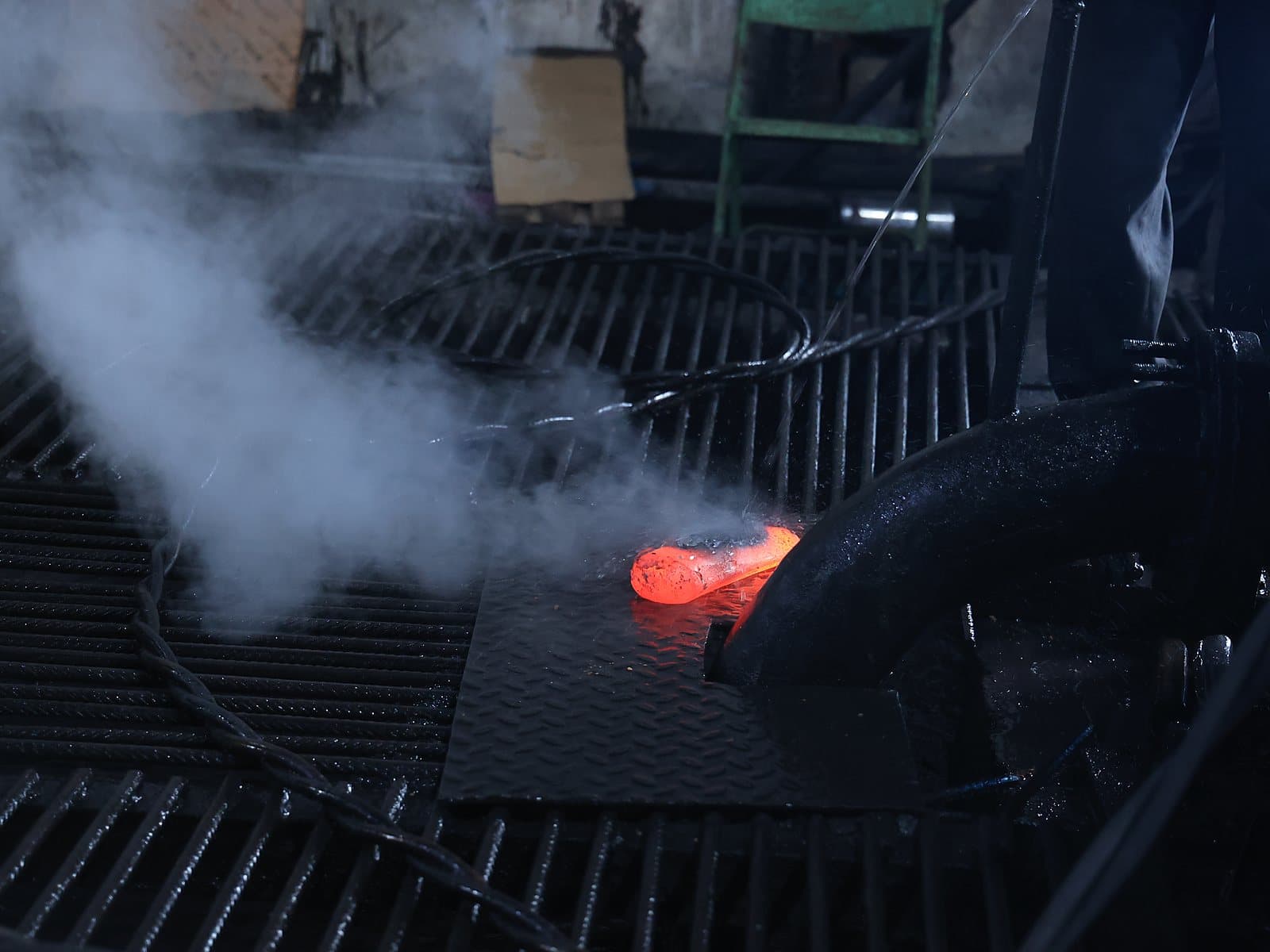
A primary producer starts with iron ore. The ore is reduced to sponge iron, melted and refined, cast into billets and rolled, all within one company. The chemistry of every heat is set on purpose and recorded.
A secondary producer buys scrap or bought-in billets and re-rolls them. The steel may be perfectly good, but its history is somebody else's. Tramp elements from scrap, especially copper, tin and chromium in the wrong amounts, are difficult to remove once they are in the melt.
Why it shows up in the bar
- Consistent chemistry heat after heat, because the inputs are consistent.
- Predictable elongation and bend performance, because sulphur and phosphorus are controlled at the source.
- A test certificate that describes a heat the producer actually made.
AF Star is rolled from billets cast at MS Agarwal Foundries' own melt shop, fed by its own DRI plant. You can walk the route on the Manufacturing page.