
Skip to content
AF Star 550D TMT, steel for a solid future
Get RCP PriceFind a Dealer
Company

Ore to rebar, one route

Six stages under one company. Nothing in the chain is bought in with a history we cannot account for, which is what separates a primary steel producer from a re-roller.

AF Star Primary Steel Route
INTEGRATED ROUTE
DRI → SMS → CCM → Rolling
Raw material · Iron ore · coal · dolomite01
Iron ore · coal · dolomite

Raw material

High-quality iron ore, coal and dolomite, sourced from some of the best mines worldwide and screened before charging. The route starts at ore, not at scrap, this is what makes AF Star primary steel rather than a re-rolled product.

Inputs
Iron ore · coal · dolomite
Route
Ore-based, not scrap
Incoming
Tested on receipt
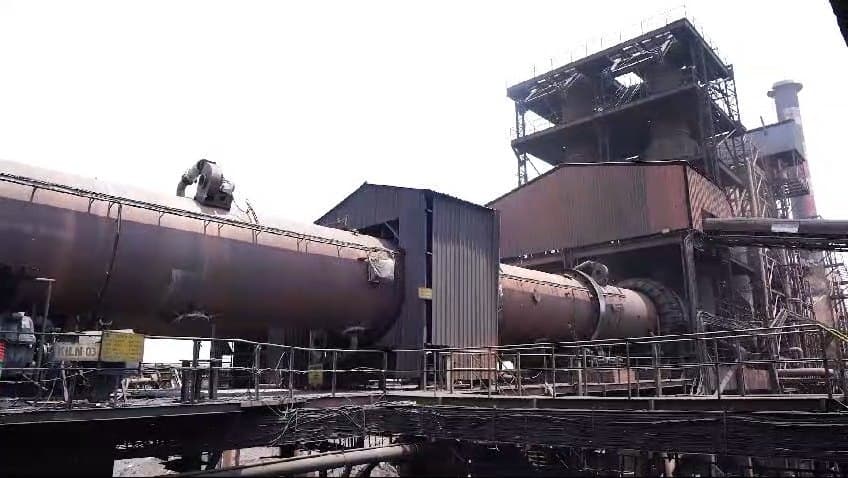
Direct reduced iron · Mantralayam, Kurnool02
Mantralayam, Kurnool

Direct reduced iron

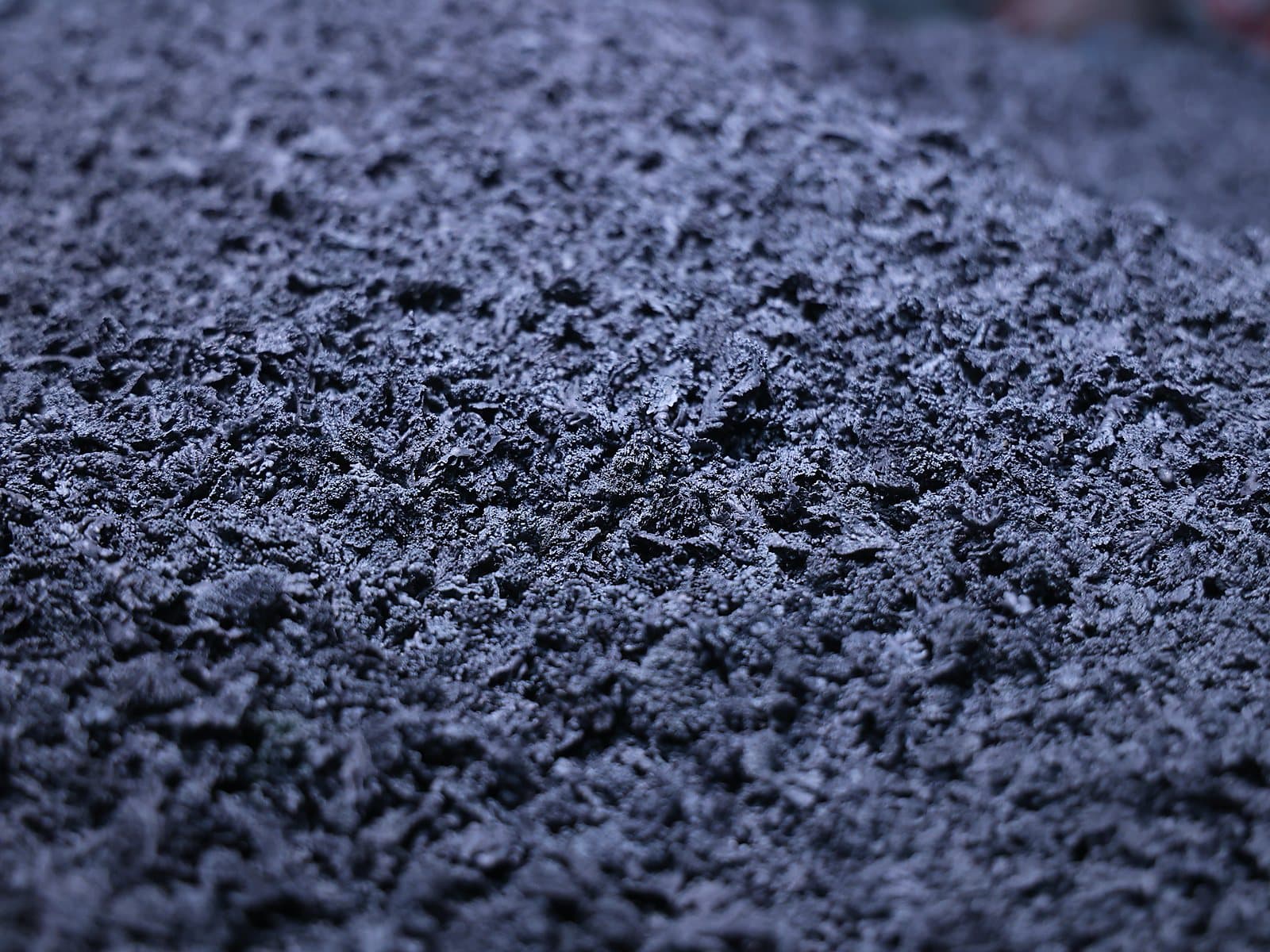
Sponge iron produced in our own DRI kilns, giving control of chemistry from the first stage of the route rather than the fourth. The Government of India recognises AF Star as a primary steel producer on the strength of this stage.

Product
Sponge iron (DRI)
Plant
Mantralayam, Kurnool
Status
Primary steel producer
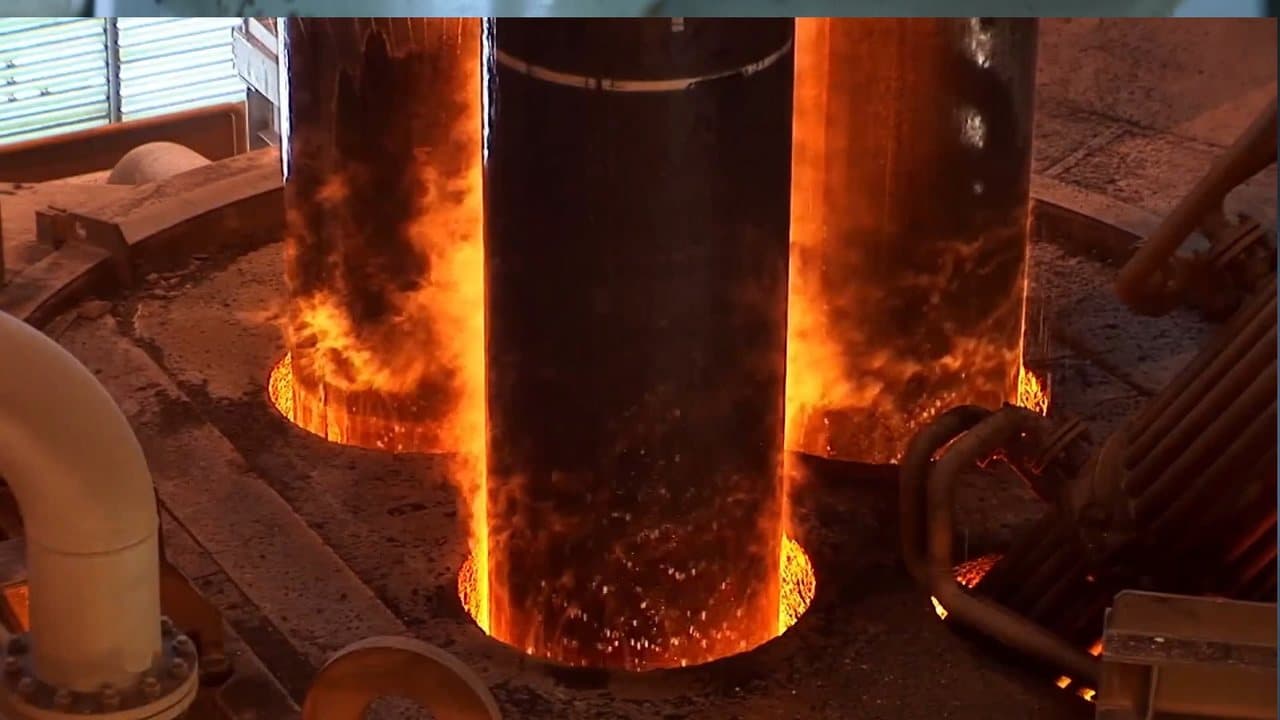
Steel melting & refining · Steel melting shop03
Steel melting shop

Steel melting & refining

Sponge iron is melted and refined in the furnace. Sulphur and phosphorus are held down here, which is where ductility is decided. Chemistry is verified by optical emission spectrometry before the heat is released to casting.

Tap temperature
≈ 1600 °C
Analysis
Optical emission spectrometry
Held down
Sulphur & phosphorus
Continuous billet casting · Medak04
Medak

Continuous billet casting

Liquid steel is cast continuously into billets of consistent section, no bought-in billets, no unknown history. Ladle and tundish temperatures are held to the casting parameters for the grade being made.

Plant
Medak, Telangana
Method
Continuous casting
Billets
Own cast, never bought in
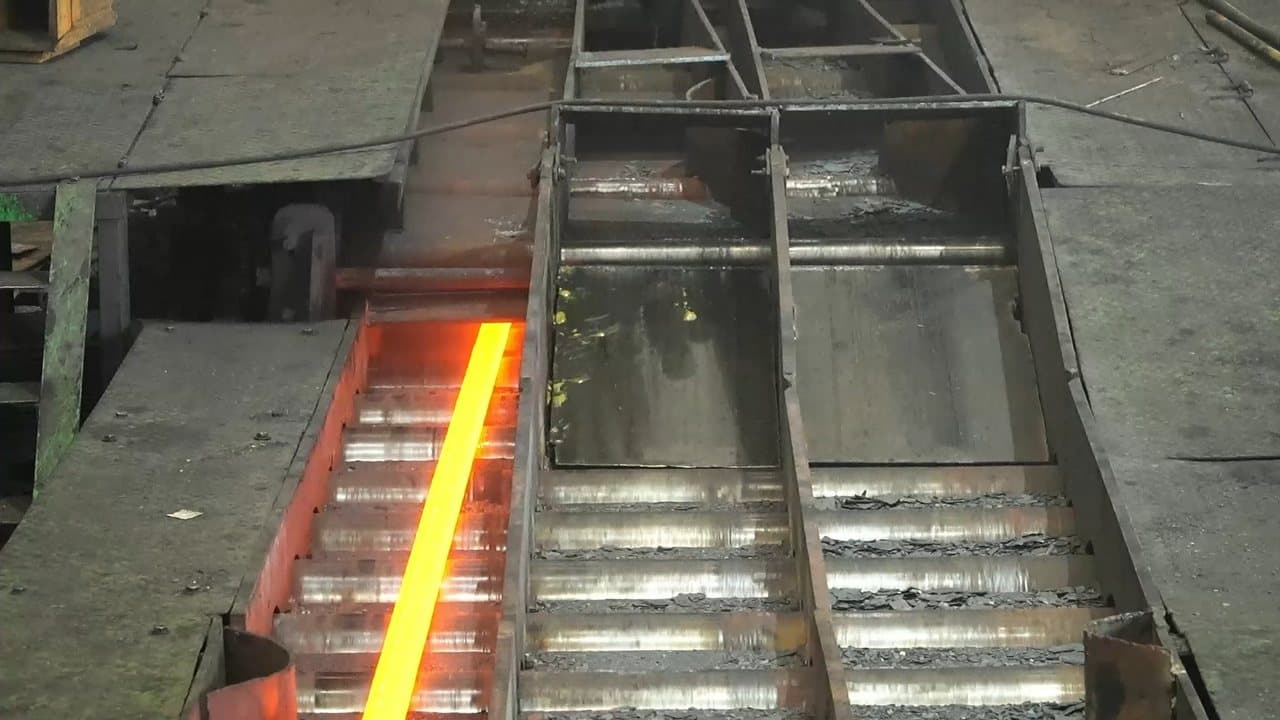
Rolling & thermo-mechanical treatment · German Thermex · three-zone QST05
German Thermex · three-zone QST

Rolling & thermo-mechanical treatment

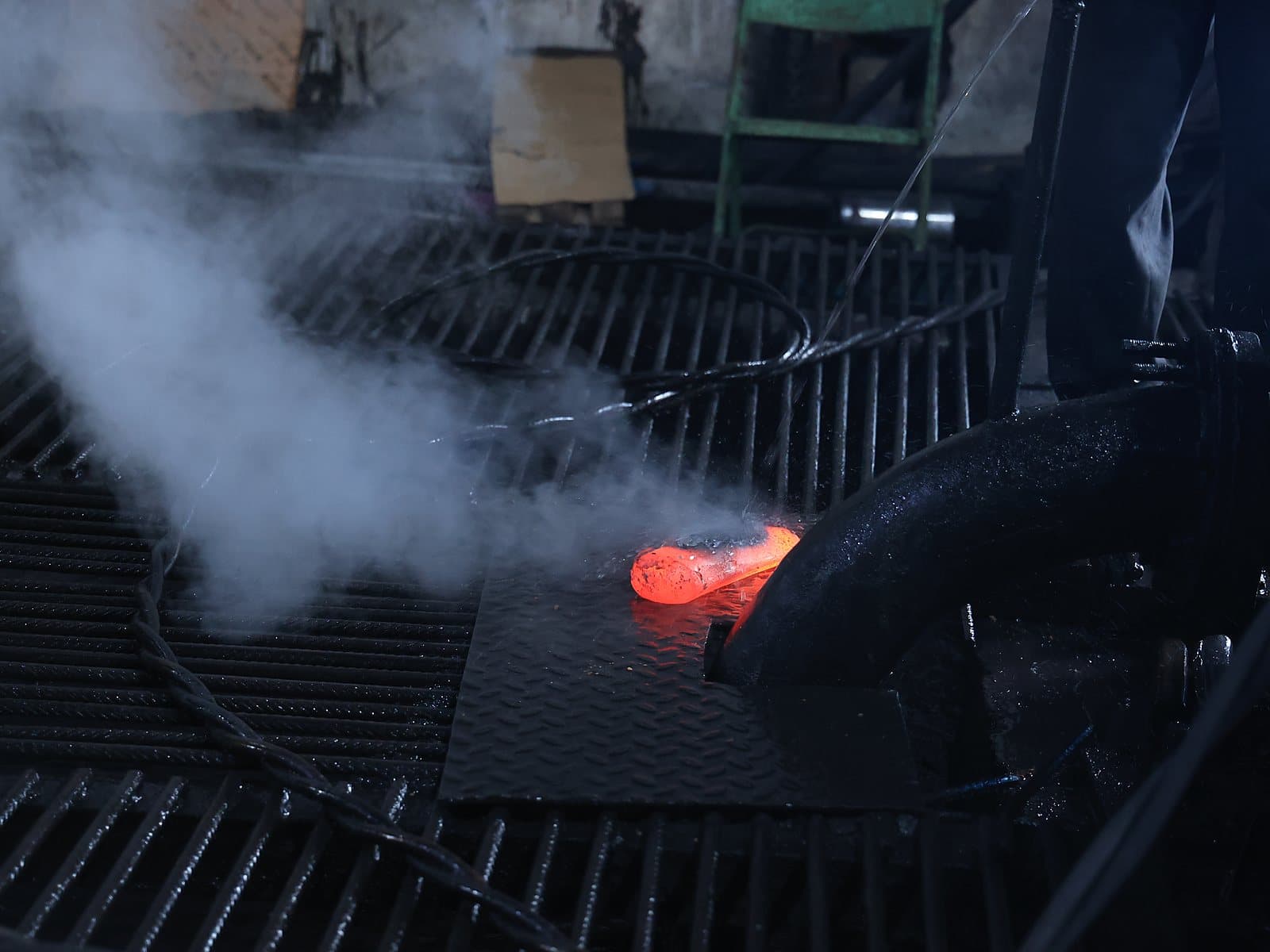
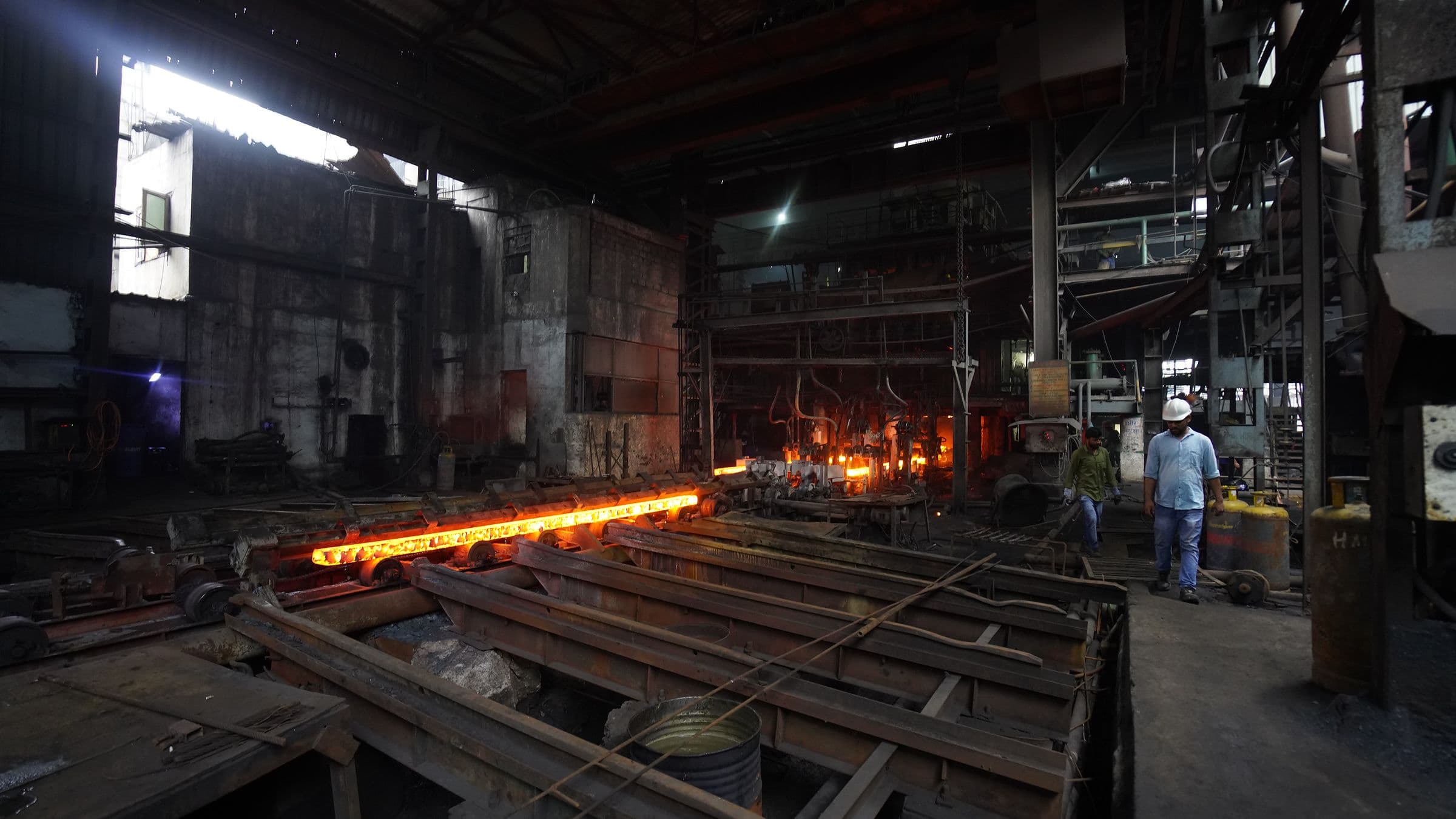
The bar is rolled, quenched and self-tempered through German Thermex technology: a tough tempered-martensite rim, a transition zone, and a ductile ferrite-pearlite core. Three layers, formed in seconds, and the reason a TMT bar bends without cracking.

Technology
German Thermex QST
Structure
Three-layer ring formation
Sizes rolled
8–40 mm
Testing & dispatch · In-house laboratory06
In-house laboratory

Testing & dispatch

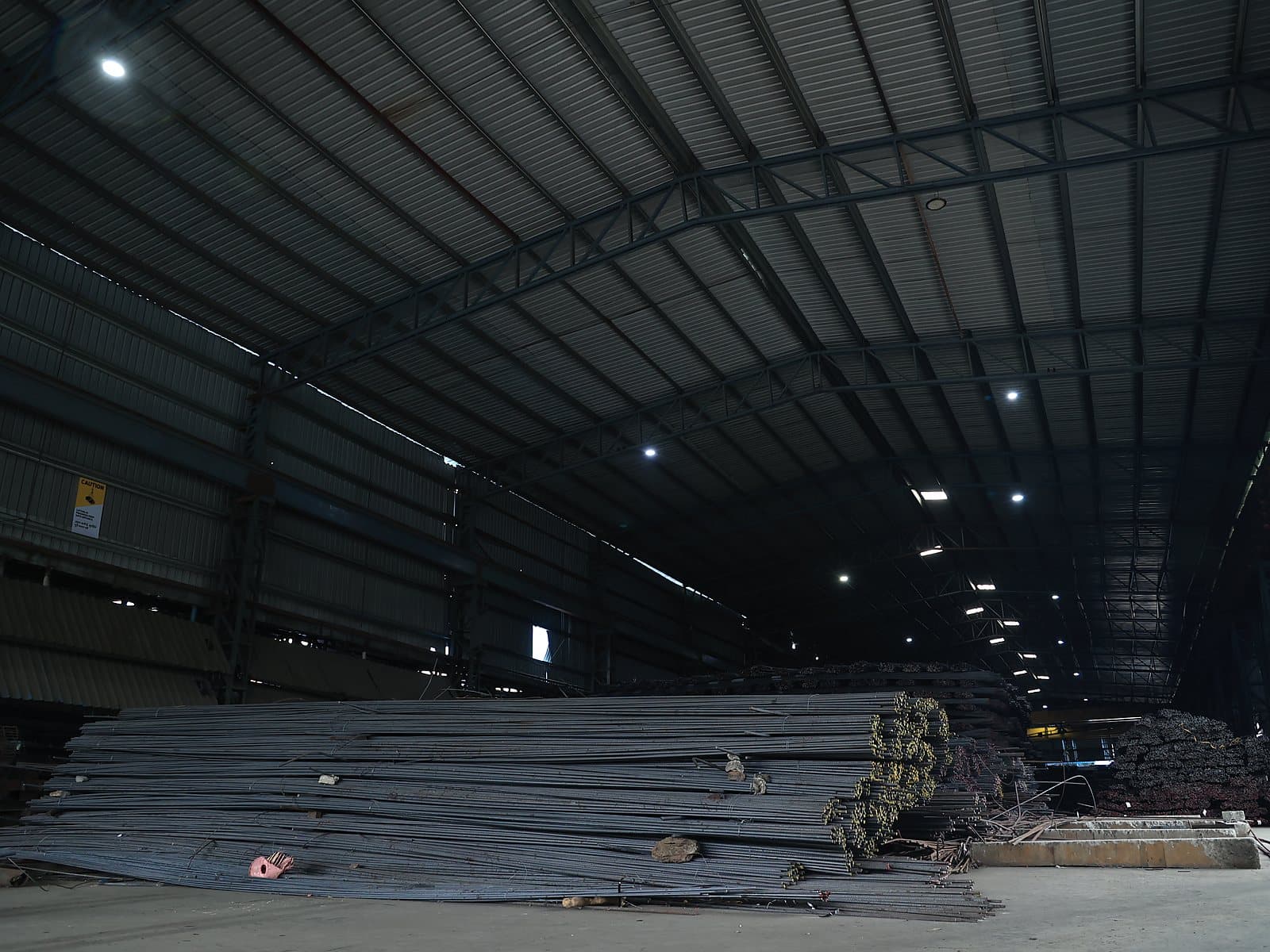
Every heat is tested for chemistry and mechanical properties against IS 1786 before it is bundled, tagged and dispatched. The test certificate travels with the material, heat by heat.

Tested against
IS 1786:2008
Certificate
Heat-wise, with dispatch
Marked
Under BIS licence
Thermo-mechanical treatment

Three layers, formed in seconds

Quenching and self-tempering builds a hard rim over a soft core. It is why a TMT bar can be strong and still bend without cracking, and it is the mechanism behind every ductility figure we publish.

  1. LAYER 01

    Tempered martensite rim

    Quenched hard at the surface, then tempered by the bar's own retained heat. This is the layer that carries strength.

  2. LAYER 02

    Transition zone

    A graded band of martensite and bainite that ties the hard rim to the soft core with no abrupt interface.

  3. LAYER 03

    Ferrite-pearlite core

    Left soft and ductile. This is the layer that lets the bar bend, rebend and absorb seismic energy without cracking.

Six faces, one route

Every side of the steel is ours

Kiln, furnace, caster, mill, quench and dispatch: the six stages of the route, filmed at the plants. Turn it with the scroll.

See it in the product

Every claim on this page shows up on a spec sheet

Mechanical properties, chemistry limits and the mill ranges we actually run, grade by grade.

WhatsApp