
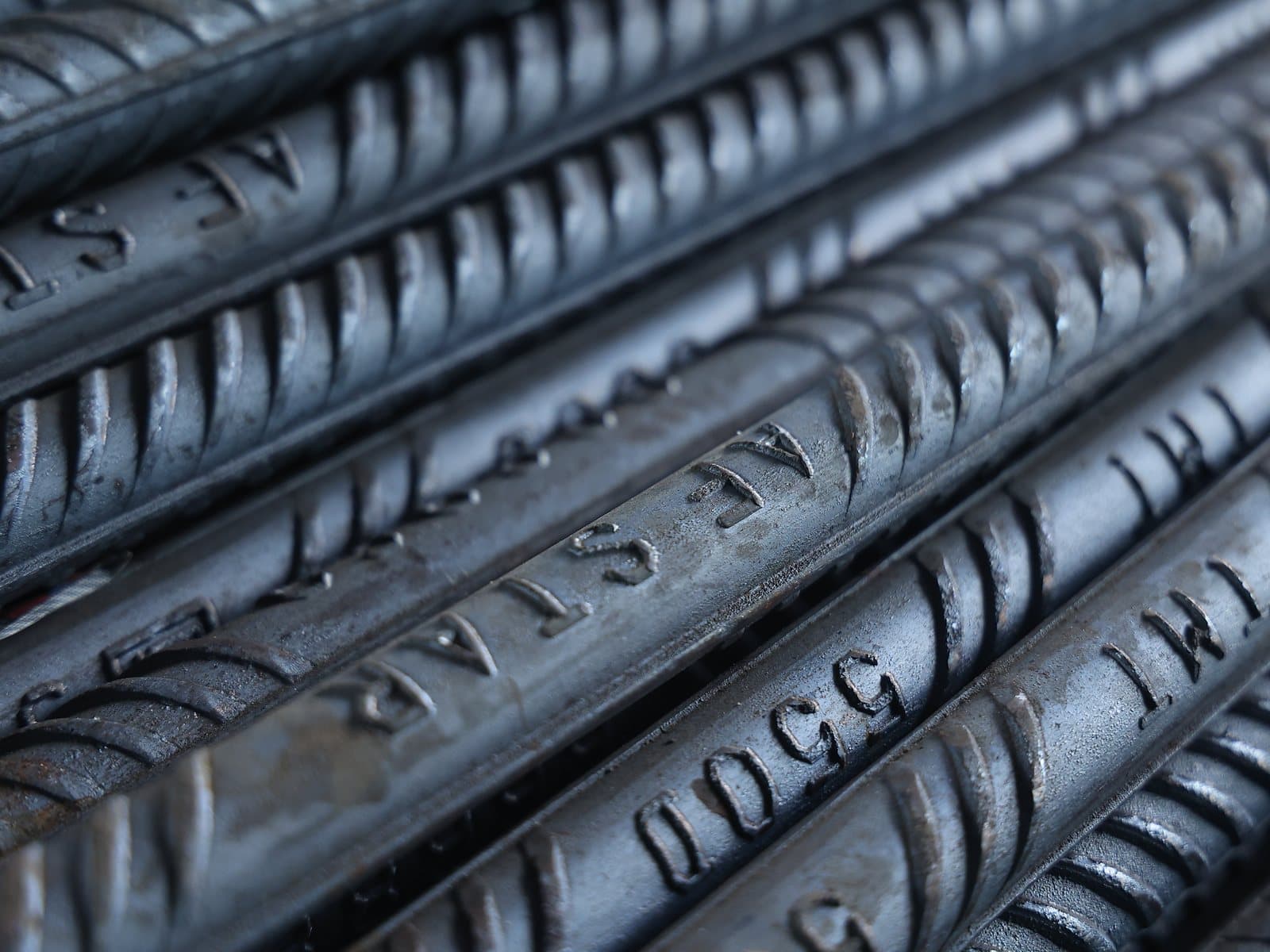
Every TMT bar sold in India is graded under IS 1786, the Bureau of Indian Standards specification for high-strength deformed steel bars. The grade tells you two things.
The number is strength
Fe 550 means the bar has a minimum 0.2% proof stress (yield strength) of 550 N/mm². That is the stress at which the bar begins to deform permanently. A higher number means the same load can be carried by a slightly smaller bar, which is why structural engineers specify the grade, not the diameter alone.
The D is ductility
The letter D marks a ductile grade. IS 1786 sets tighter limits for D grades: higher minimum elongation, a minimum ratio of tensile strength to yield strength, and lower sulphur and phosphorus. In practice a D-grade bar bends further before it breaks, which is what you want in an earthquake or under an overload. Most of South India falls in seismic zones II and III, and building codes expect ductile detailing.
What to check on site
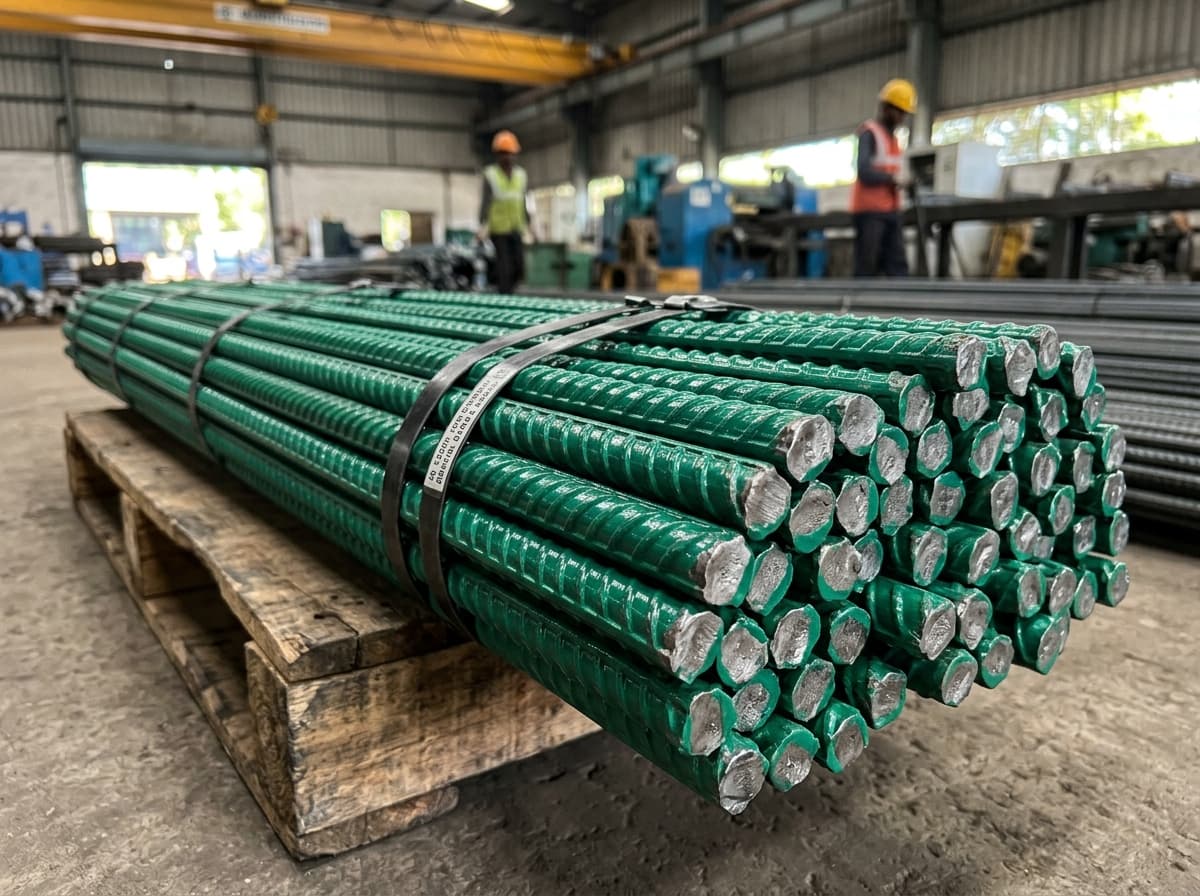
- The grade and the manufacturer's mark should be rolled into the bar itself, not just printed on a tag.
- Ask for the heat-wise test certificate for the consignment. It lists the actual yield, tensile and elongation figures for that batch.
- Do not mix grades in one structural member unless the engineer has allowed it.
If your drawing simply says "TMT", ask the engineer to state the grade. Fe 550D is the common default for residential and infrastructure work today.